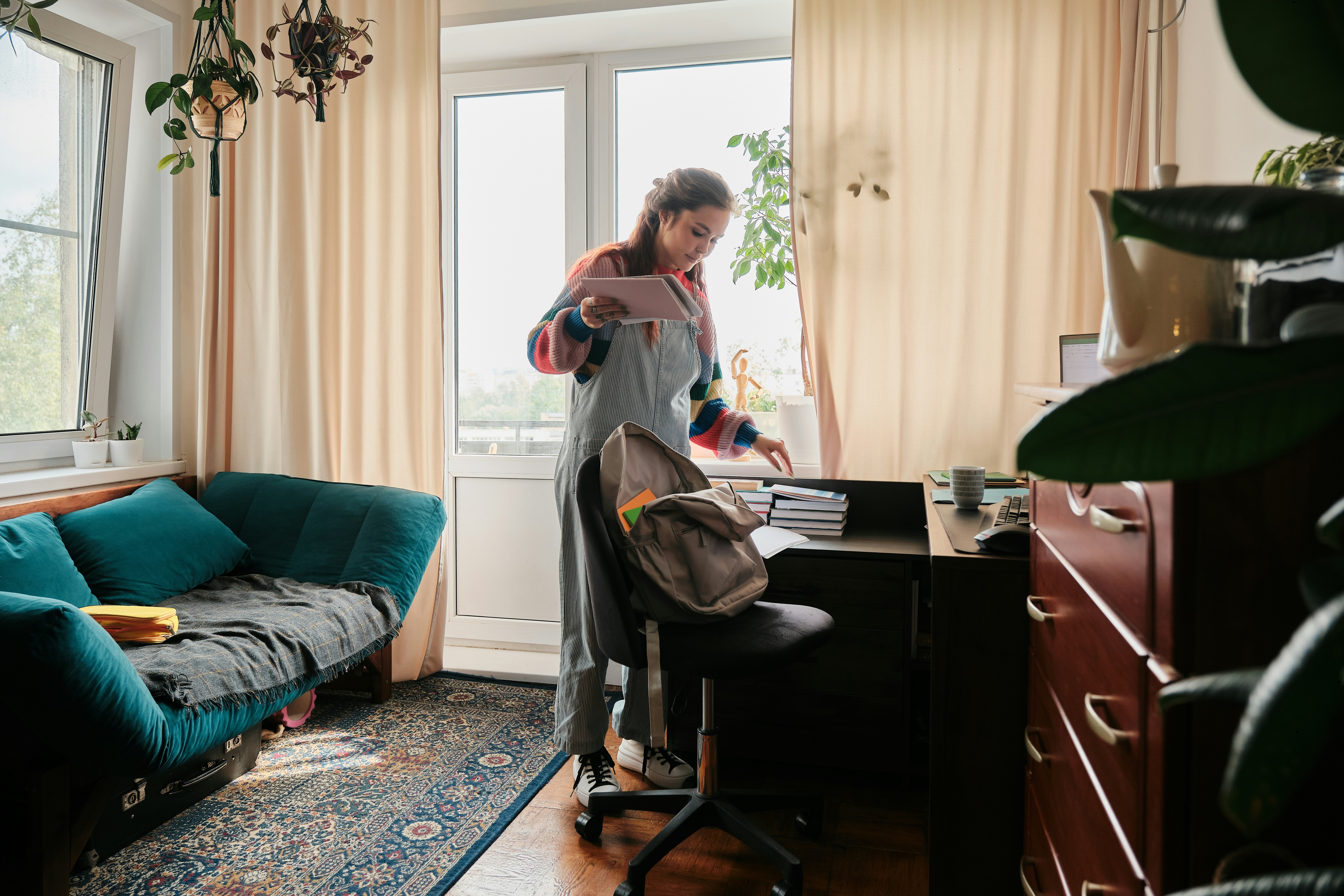
The Dutch student housing market is one of the toughest in Europe. This guide walks you through everything an international student needs to know — from timing your search to spotting scams — so you can start looking with a clear plan instead of panic.
1. Start earlier than you think
Most international students underestimate how early they need to start. Enrollment confirmations in the Netherlands arrive in May or June, but the rental market moves months before that. If you wait for your admission letter to begin searching, you'll arrive into the peak-crunch months of July–September and compete with tens of thousands of other students.
Our recommendation: start scanning listings three to six months before your intended move-in date. You don't have to apply — just get a feel for real prices, typical neighborhoods, and the kinds of landlords that operate in your target city.
2. Know where to search
No single platform lists every room. Most students end up combining several sources, and the fastest arrivals are the ones who can monitor all of them at once.
- Kamernet — the largest Dutch-language marketplace, paywalled to contact landlords
- Pararius — private rental listings, mostly in Dutch but with English tags
- Funda — primarily for sale, but includes rentals in many cities
- HousingAnywhere — international-focused, usually premium pricing
- SSH / DUWO — corporation-run student housing with long waiting lists
- Facebook groups like 'Room for rent Amsterdam students' — free but scam-heavy
- House Hunter — aggregates all of the above and alerts you within minutes of a new post
3. Get your documents ready before you apply
Dutch landlords and agencies respond first to applications that are complete. If you wait until a listing appears to start collecting documents, you'll lose the room.
- Passport or ID copy
- Proof of enrollment or admission letter
- Proof of income or a guarantor letter (parents usually)
- Last three months of bank statements
- A short intro letter in English introducing yourself
4. Spot red flags early
International students are the primary target of rental scams in the Netherlands. The warning signs are consistent and easy to learn.
- Requests to pay a deposit before any viewing
- Landlord 'abroad' who can't meet in person
- Prices that are 30%+ below market for the neighborhood
- Pressure to sign within hours
- Refusal to share a written rental contract
5. No BSN yet? Don't panic
You can't get a BSN until you have an address, but many landlords insist on a BSN to sign. The workaround is real and legal — see our dedicated guide on renting without a BSN for the full playbook.
6. Understand the basics of Dutch rental law
Dutch tenants have strong legal protections once a contract is signed, but most of that protection depends on the contract being in writing and specifying the price breakdown. Always ask for a contract in English (or translated) and verify that 'service costs' (servicekosten) are itemised — illegal service costs are the single most common landlord trick against international students.
Frequently asked questions
When should I start looking for a student room in the Netherlands?
Start three to six months before your intended move-in date. The market is most competitive from July through September, so earlier is better.
Do I need a Dutch bank account to rent a room?
Not always. Many landlords accept SEPA transfers from European banks. Non-EU students often use Bunq or Revolut as an interim solution while waiting for a Dutch IBAN.
How much should I budget for a student room in the Netherlands?
Expect €450–€650/month in Groningen, €600–€800 in Rotterdam or Delft, €700–€950 in Utrecht, and €850–€1,100 in Amsterdam for a shared-house room. Studios and apartments run significantly higher.
Is it safe to pay a deposit before viewing a room?
No. Never transfer money for a room you haven't seen in person (or on a verified live video call). Upfront deposit scams are the most common type of student housing fraud in the Netherlands.